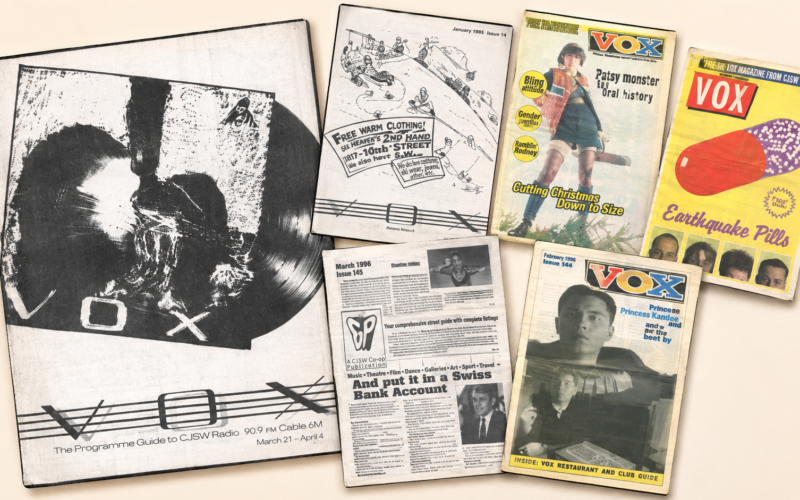


CKUA history includes a studio with burlap drapes, a telephone connection and a $5,000 provincial grant. It is a wonderfully practical beginning for an Alberta cultural institution: find a way to get the sound out of the room.
The station began on November 21, 1927. Its early story was about reaching people who could not sit in a university lecture hall.
CKUA history started with borrowed connections
The University of Alberta’s archival account traces the work to its Extension department in the early 1920s.
University lectures first travelled through Edmonton station CJCA. Later, a microphone and amplifier in an office connected to CJCA by telephone. By 1926, the university had a studio with burlap drapes, broadcasting music and lectures through the existing station.
A $5,000 grant supported a campus transmitter. The university’s Electrical Engineering department was asked to build it. The experiment became the university’s own educational radio station in 1927.

The people between the song and your ears
There is a lot to like about that sequence. Nobody waited for a perfect setup. Each connection made the next step possible.
It also gives music history a useful supporting cast. Artists need people who record, catalogue, broadcast and introduce their work. The person choosing the next track can change what a listener pays attention to.
A radio programme can still provide that small jolt: an unfamiliar voice, a song title you scramble to write down, a musician whose name stays with you after the music stops.

That is our favourite way to approach CKUA history: as a chain of introductions. Someone makes something. Someone else finds a way to send it further.
Calgary has its own rooms built around that connection, including the King Eddy’s restored live stage. The scale changes. The need for an audience does not.
For a small experiment of your own, give one unfamiliar song your full attention. Keep the artist’s name. Follow it somewhere. That is a good return on a few minutes of listening.