
Corral had a narrator in the plan. Then the filmmakers let the pictures do the talking.
That decision gives this 1954 National Film Board short an inviting place in Alberta film history. There is a cowboy, there are horses, and there is guitar music. The connection to Calgary is close enough for a day trip: Cochrane Ranch.
Corral’s Cochrane connection
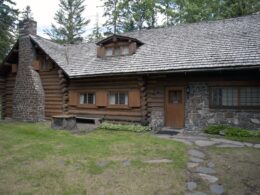
The NFB’s account of the production identifies Cochrane Ranch as its filming location. Wallace Jensen appears as the cowboy rounding up horses.
Colin Low directed and wrote the film. Tom Daly produced it, with Wolf Koenig behind the camera. Planned narration was dropped, leaving the images and guitar music to carry the finished work.
It is a small production detail with a big effect on how we approach a film. Without a voice explaining each moment, the viewer has a different job: pay attention.

Give Corral a few uninterrupted minutes
Our favourite way into local film history is through a choice like that. A familiar place gets our attention. A filmmaking decision gives us something to think about once we are there.
Start with the official NFB film page. Leave the background tabs alone for a few minutes. Notice what draws your eye and how the music affects your sense of movement.
Afterward, return to the credits. The person directing, the person operating the camera and the person shaping the sound all contribute to what reaches us. A short film makes those contributions easier to consider without setting aside an entire evening.

There is another reason to keep small films on the list. They give regional screen history more texture than a roll call of major productions. This is one particular meeting of a place, a performer and a camera.
It cannot tell the whole history of Cochrane or stand for every ranching experience. It does not need to. A specific story can earn our attention on its own terms.
For another Alberta story shaped by music and community, try Every Saturday Night. Put the two on a small local-film watchlist. Sometimes the most interesting viewing choice is the one that takes less time than choosing what to watch.