
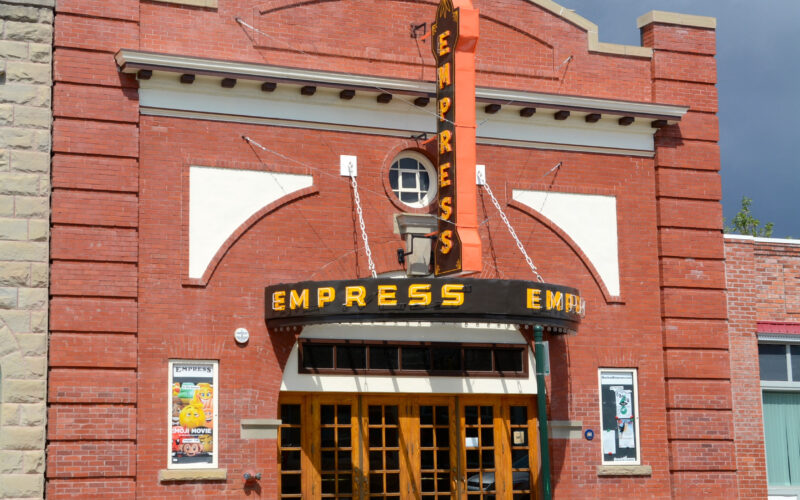
Fort Macleod’s Empress Theatre has a guest book you cannot slip into a drawer: names left on its dressing-room walls. Those inscriptions connect this southern Alberta stage with travelling performers from New York and Australia.
Not bad for a theatre that opened in 1912.
The Empress Theatre was built for a night out
The Alberta heritage record describes a building shaped by the age of vaudeville. Travelling acts needed a stage. Audiences needed somewhere to gather. The Empress gave Fort Macleod both.
Its decorated interior is part of that history. So are the quieter traces of the people who passed through. A name on a backstage wall can make a touring circuit feel surprisingly personal.

A working stage beats a sealed display case
We like a heritage building with something on its calendar. Old theatres were made for movement, sound and the small collective thrill of waiting for the lights to go down.
Keeping the Empress Theatre in use gives its history a future tense. The next audience does not have to love the same entertainment as the first one. It just needs a reason to come through the doors.
That is the part of preservation worth cheering. Saving the shell matters, but so does keeping the invitation open. A theatre can respect its past without performing the same decade forever.

Make the theatre part of the trip
Check the Empress Theatre’s official site for its history and current programme before planning a visit. Treat backstage spaces as working areas, not as an invitation to wander.
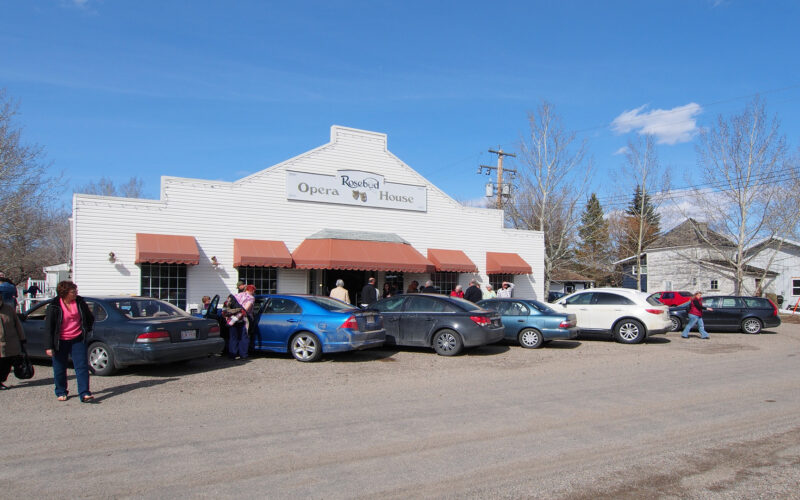
For another small-community stage story, follow the trail to Rosebud Theatre’s arts-camp beginnings. The two histories take different routes to the same useful idea: you do not need a big city to make room for a good night at the theatre.
Featured photograph: Roberta Franchuk / Wikimedia Commons, August 2017, CC BY-SA 4.0.